In the high-stakes worlds of aerospace, defence, and nuclear engineering, the integrity of a material characteristic or the precision of a heat treatment process is not just a matter of quality control – it is a matter of safety, legality, and long-term viability. When a component fails in the field, the subsequent investigation focuses immediately on the technical data used to verify that part.
For procurement officers, quality managers, and design engineers, the most reliable shield against risk is UKAS accreditation. But while many in the industry recognise the logo, few fully understand the rigorous infrastructure that supports it or why using a non-accredited laboratory can be a multi-million-pound mistake.
What Exactly is UKAS Accreditation?
The United Kingdom Accreditation Service (UKAS) is the sole national accreditation body recognised by the British government to assess the competence of organisations that provide testing, calibration, and inspection services.
It is important to distinguish between Certification and Accreditation. While a company might be certified to ISO 9001 for its general management systems, accreditation to ISO/IEC 17025 is a far more technical and rigorous distinction. It doesn’t just ask, “Do you have a process?” It asks, “Are you technically competent to produce accurate and valid results?”
At Keighley Laboratories, our UKAS schedule of accreditation, of which we are one of the oldest and established UKAS accredited companies, covers a comprehensive range of metallurgical services, ensuring that every test we perform is backed by nationally recognised standards.

The Four Pillars of UKAS Competence
When UKAS auditors visit a laboratory like ours, they don’t just check the paperwork. They perform a deep-dive audit into four critical areas:
1. Technical Proficiency of Staff
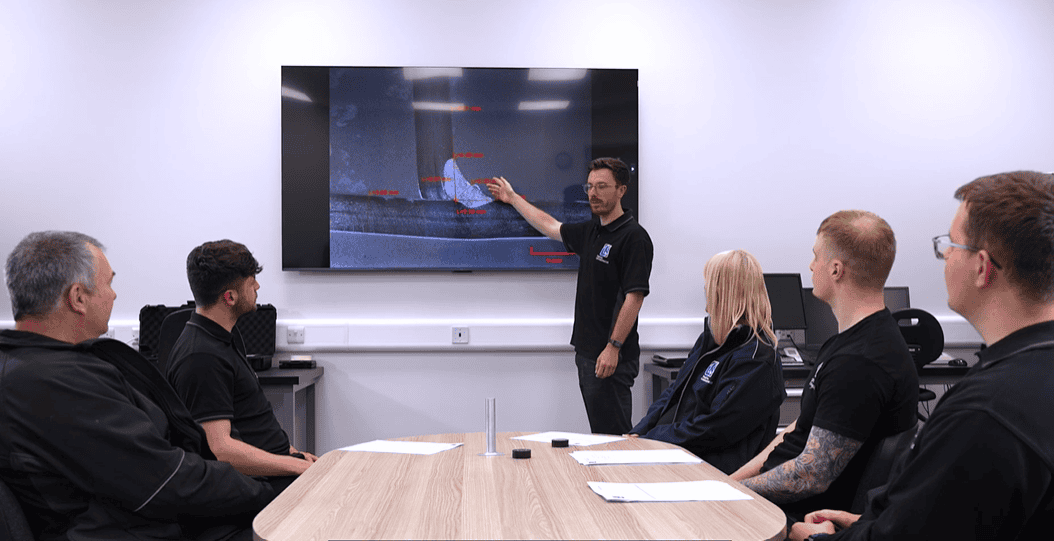
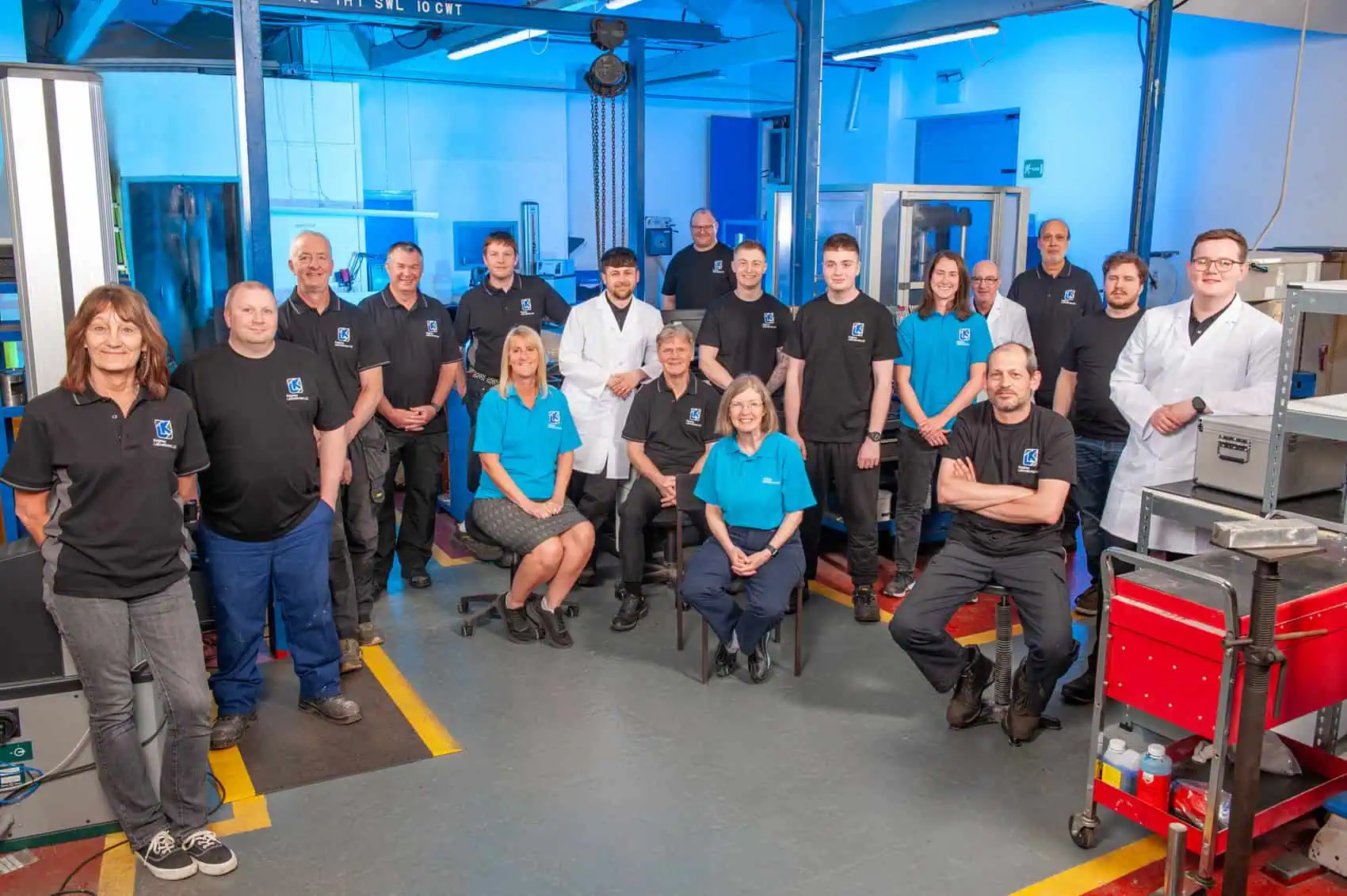
An accredited lab must prove that its metallurgists, chemists and technicians possess the specific qualifications and experience required to interpret complex data. In metallurgical testing, a machine provides the data, but human experts must then interpret that data to provide accurate and reliable results..
2. Equipment Calibration and Traceability
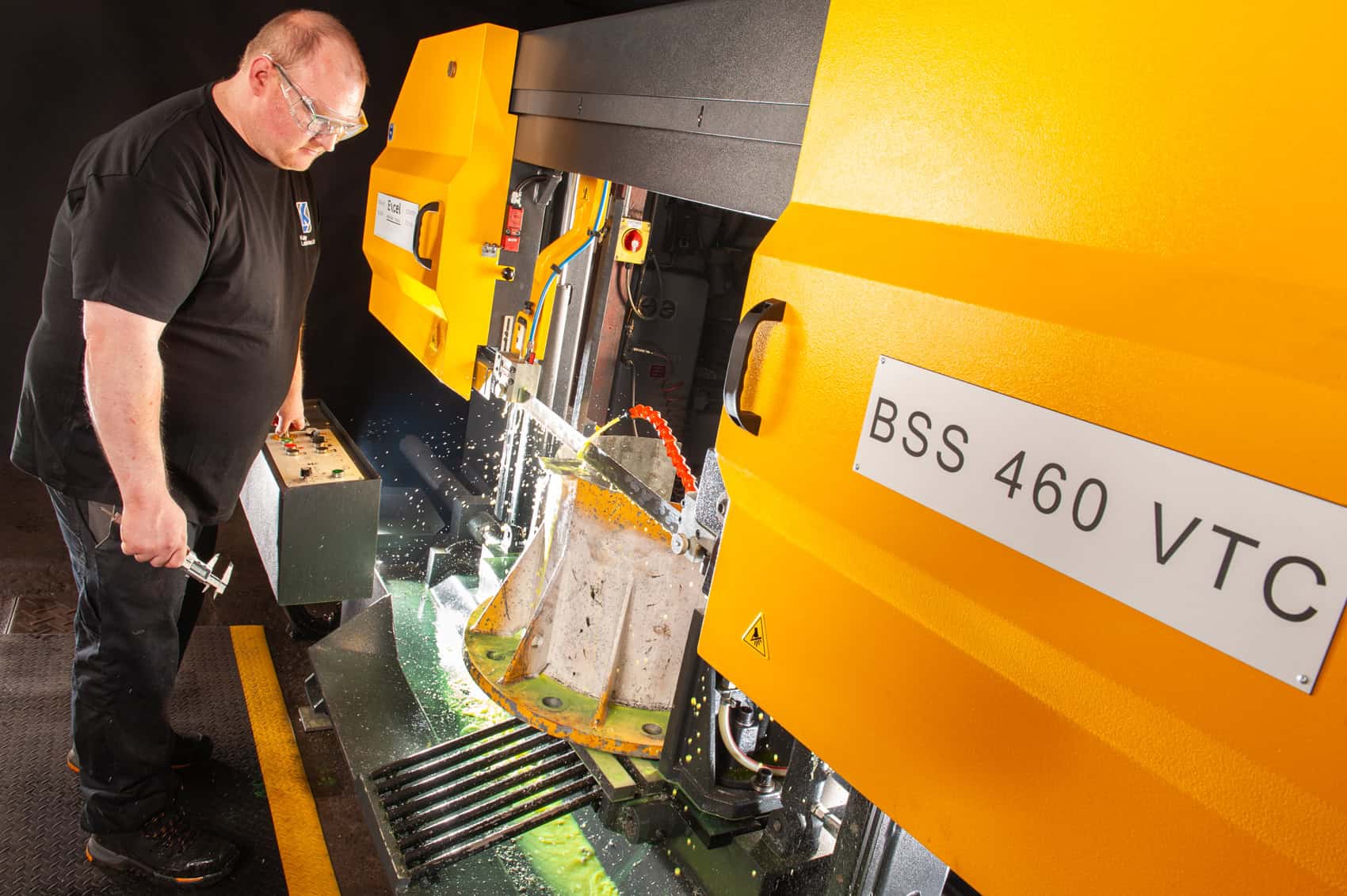
In a UKAS-accredited environment equipment, from tensile testers to sensitive chemical spectrometers, must be calibrated to national and international standards. This ensures “metrological traceability,” (being able to relate a result to a reference through an unbroken documented chain of calibrations), providing another layer of confidence.
3. Method Validation
Accreditation ensures that the methods used, whether following British Standards (BS), EN, ASTM or internally created processes and procedures —are being applied correctly. UKAS prevents laboratories from taking “shortcuts” that might compromise the validity of a test result.
4. Impartial and Unambiguous
A critical requirement of ISO/IEC 17025 is that the laboratory remains impartial, ensuring no internal or external biases influence the quality and reliability of test results. T
Why UKAS is Critical for Your Supply Chain
Risk Mitigation and Legal Due Diligence
If your business is involved in the manufacturing of safety-critical components, you carry a significant legal burden. By utilising a UKAS-accredited laboratory, you are demonstrating due diligence. In the event of a product liability claim, a UKAS-endorsed test certificate serves as powerful evidence that you took all reasonable steps to ensure material integrity.
Global Market Access and the ILAC Arrangement
One of the most significant benefits of UKAS accreditation is international recognition. Through the International Laboratory Accreditation Cooperation (ILAC) Mutual Recognition Arrangement, test certificates reports issued by Keighley Laboratories are accepted in over 100 countries. This eliminates the need for redundant testing when exporting goods to the US, Europe, or Asia, significantly reducing costs and time-to-market.
The “False Economy” of Non-Accredited Labs
It can be tempting to choose a testing partner based solely on price. However, many Tier-1 contractors in industries like Aerospace (under Nadcap requirements) or Defence may reject test results that do not bear the logo or appropriate accreditation. Re-testing a batch of components because the initial lab lacked the proper scope is a massive, unnecessary expense that can derail a project’s timeline.
How to Verify a Laboratory’s Scope
It is a common misconception that if a lab is “UKAS Accredited,” all its tests are covered. This is not the case. Every accredited lab has a Schedule of Accreditation. Before choosing a partner, you must verify that the specific test you need (e.g., Charpy Impact Testing or Salt Spray Corrosion) is listed on their official schedule.
You can always check the current status of any lab via the UKAS official search directory.
Conclusion: Trust is the Ultimate Material Property
In metallurgy, we spend our days measuring hardness, tensile strength, and chemical composition. But for our clients, the most important property we provide is trust.
By maintaining our UKAS accreditation for over 40 years, Keighley Laboratories has remained at the forefront of technical excellence. We provide the certainty that your materials meet the specifications required for the world’s most demanding environments.
Whether you are navigating the complexities of the development of a new high performance product, or meeting the stringent requirements of the aerospace supply chain, insisting on UKAS accreditation is the only way to ensure your reputation remains as solid as the metals you work with.